

Without public Wifi, cities struggle to keep up with digital demands. Many citizens face a digital divide, unable to access essential services or online opportunities.
Smart city initiatives suffer too—IoT devices, transport updates, and emergency alerts can’t function without reliable connectivity.
Tourists also feel the pinch, with no easy way to navigate, share experiences, or discover local attractions. Plus, cities miss out on valuable data insights for planning and revenue opportunities from advertising or sponsorships.
Public Wifi bridges the gap, making cities more connected, inclusive, and efficient. It gives everyone access to digital tools, supports smart city systems, and improves services like public transport and environmental monitoring.
For tourists, it transforms their experience with easy access to guides, promotions, and social sharing. Cities can also use anonymized data to improve urban planning and launch location-based marketing.
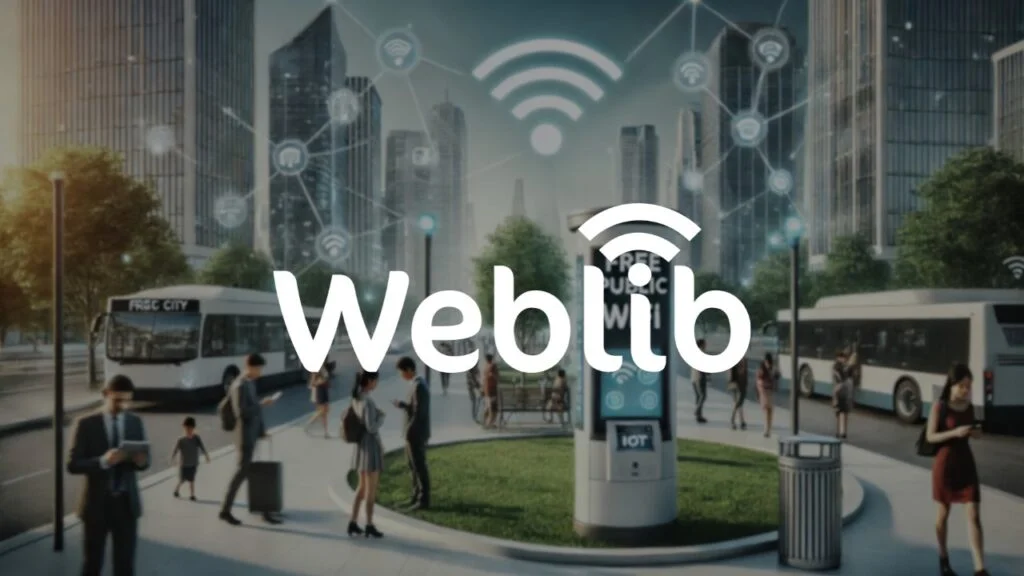
How cities can be smarter by offering a public Wifi network
Enhancing Citizen Experience
Digital inclusion is one of the most significant benefits of public Wifi. It ensures equitable internet access for all citizens, helping to reduce the digital divide and enabling underprivileged populations to participate in the digital economy. By providing free or low-cost Wifi in public spaces like parks, transport hubs, and city centers, cities can enhance convenience and connectivity for both residents and visitors.
Seamless smart city services are another key advantage. Public Wifi acts as an enabler, allowing citizens to access city services, apps, and real-time information such as public transportation schedules, local events, and emergency alerts. This connectivity creates a more integrated and accessible urban environment for everyone.
Driving Economic Growth
Public Wifi plays a vital role in boosting local economies. By encouraging foot traffic in key areas, it benefits local businesses by increasing dwell time and customer engagement. Small businesses and startups also gain affordable internet access to run their operations and explore e-commerce opportunities, fostering entrepreneurship and innovation.
For tourists, public Wifi enhances their overall experience by providing access to navigation tools, local guides, and travel services. This connectivity encourages longer stays and increased spending, making public Wifi a critical tool for driving tourism and economic growth.
Data-Driven Urban Planning
Public Wifi can help cities gather actionable insights based on the number of users connected to specific access points. For example, data from densely populated access points can reveal which areas of a city are most frequented at different times of the day. Cities can use this information to optimize urban planning decisions, such as improving transportation routes, increasing amenities in high-traffic zones, or redistributing Wifi access points to underserved areas. By planning based on connectivity patterns, cities can better allocate resources and ensure smoother operations.
Supporting Smart City Infrastructure
IoT integration thrives on reliable connectivity, and public Wifi provides the backbone for smart city systems. Applications like smart lighting, environmental sensors, waste management, and traffic monitoring all depend on this infrastructure. Centralized connectivity ensures that all these systems work in harmony, creating a unified network for efficient management.
Public Wifi is also crucial for emergency response. It enables communication during emergencies, providing citizens and first responders with critical information sharing capabilities that can save lives.
Improving Security and Public Safety
Modern public Wifi solutions like Ucopia offer safe connectivity through advanced features such as secure user authentication, intrusion detection, and web filtering. These measures ensure a safe browsing experience for users. Wifi-powered cameras and IoT sensors enhance surveillance, improving public safety by monitoring high-risk areas in real-time. Furthermore, robust cybersecurity infrastructure protects cities from potential cyber threats, making public Wifi both secure and reliable.
Sustainability and Cost-Effectiveness
Public Wifi contributes to sustainable urban development. With IoT integration and smart monitoring, cities can optimize energy usage across various infrastructures, reducing their environmental impact. Deploying Wifi access points on existing infrastructure like streetlights, bus stops, and public buildings minimizes implementation costs, making it an affordable solution for smart cities. Additionally, cities can monetize public Wifi by offering premium plans, advertising spaces, or partnering with businesses for sponsorships, creating opportunities for revenue generation.
Transforming Tourism with Digital Tools
For tourists, public Wifi transforms the city experience. It provides instant access to city guides, cultural information, local maps, and recommendations through city apps or portals. Smart cities can create localized digital experiences that highlight landmarks, events, and restaurants nearby, enhancing tourist engagement.
Real-time assistance is another advantage. Tourists can access public transportation updates, weather forecasts, and language translation services instantly, making it easier to navigate and enjoy the city. Public Wifi can even support augmented reality (AR) experiences, offering interactive tours of historical landmarks, museums, and attractions, bringing the city’s cultural heritage to life.
Weblib Solutions: Transforming Cities Through Connectivity
Weblib’s solutions are designed to help smart cities tackle modern challenges and create more connected, citizen-friendly environments. Let’s take a closer look at how each solution can make a difference.
Ucopia by Weblib makes public Wifi easy, secure, and scalable. With Ucopia, cities can bridge the digital divide, provide a better online experience for visitors, and even gather anonymized data to improve city planning. Plus, custom Wifi login portals let cities promote local attractions and businesses, making it a win for everyone.
Smart Wifi by Weblib isn’t just about free internet—it’s about using access points to create personalized experiences. For example, when someone connects to the public Wifi through an access point in a museum, they could instantly receive updates about current exhibitions or guided tour options. Similarly, access points in shopping districts could notify users about exclusive discounts or promotions nearby. By leveraging these strategically placed access points, cities can enhance visitor experiences, engage locals, and support businesses—all while ensuring a secure and seamless connection.
Smart Kiosk by Weblib takes interaction in public spaces to the next level. Think of these as digital guides placed in city centers or train stations. Need directions, information about local events, or access to public services? Smart Kiosks have you covered. They also help tourists discover nearby attractions and local promotions while making cities feel more accessible and welcoming.
With Weblib’s solutions, smart cities can become more connected, accessible, and vibrant. From enhancing Wifi connectivity to making public spaces more engaging, these tools are all about improving the way cities serve their people. It’s not just about technology—it’s about creating better experiences for everyone.