

Lucie Berland breaks down the many facets of WiFi portal monetization
As connectivity has become a fundamental expectation, the WiFi portal has evolved far beyond a simple utility. It is no longer just a gateway to the internet, but a true strategic hub where customer experience, marketing, and high-value data collection converge. For businesses, public venues, and event organizers, understanding how to transform this touchpoint into a genuine growth driver has become essential.
“The captive portal should no longer be seen as just a login page that gives access to the internet to keep customers happy. It’s also a powerful source of data that can be leveraged and integrated with my CRM to truly understand user behavior.”
Lucie Berland, Head of Marketing at Weblib, breaks down the various facets of captive portal monetization—from traditional revenue models to advanced strategies shaping the future of customer engagement—all while ensuring full regulatory compliance.
How to create value with a WiFi portal
From the moment it goes live, a WiFi portal can generate value both directly and indirectly. Traditional levers, while classic, remain effective for generating revenue and optimizing operations.
-
Advertising and sponsored partnerships: The most well-known lever is the display of targeted ads before the user even accesses the internet.
-
Promoting internal services: For example, a restaurant can showcase its daily menu, while a shopping mall can highlight store promotions through images or even videos.
-
Sponsored offers: In more specific contexts—such as a traveler’s lounge in a train station—the portal can display partner offers aimed at a targeted audience, creating an additional revenue stream.
-
Upselling: More common abroad than in France, particularly in airports, this method involves offering free WiFi access (e.g. 30 minutes) and then proposing the purchase of additional connection time or higher bandwidth.
-
Security and controlled access management: In environments like hotels, seminars, or companies welcoming visitors, a captive portal enables the creation of temporary, personalized credentials. Access validity can be precisely aligned with the duration of a guest’s stay or a meeting. The value here lies in traceability and security.
-
Brand image and customer satisfaction: A seamless, frictionless WiFi experience is an expected service that directly impacts overall brand perception. It also facilitates the use of other digital services (loyalty cards, mobile payment, etc.) and turns a satisfied customer into a potential ambassador who may share their positive experience on social media in real-time from the venue itself. The portal thus becomes a key component of the overall customer experience.
How to create value beyond monetization in 2025
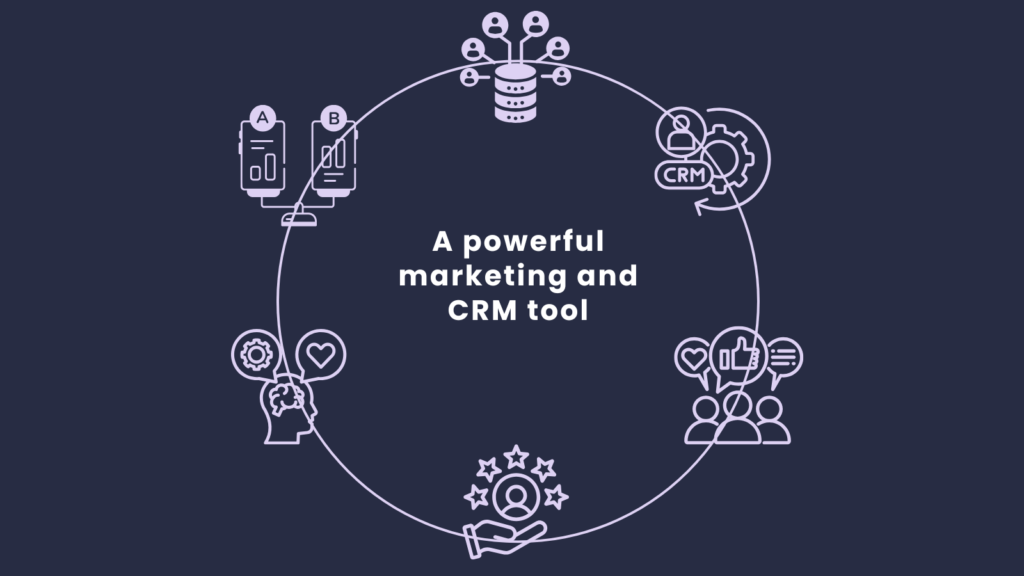
The true revolution of the WiFi portal lies in its ability to become a powerful marketing and CRM tool. In 2025, value is increasingly measured by the richness of the data and interactions such a portal can generate.
-
Qualified data collection and massive opt-in: The portal is an ideal touchpoint to collect personal data (email, name, surname) in a consent-based manner. The challenge here is to maximize the marketing opt-in rate. For example, a simple checkbox—often buried in a form—typically achieves 30–40% consent. By contrast, an optimized user journey with a dedicated opt-in page that clearly presents the value of subscribing (exclusive offers, early access to news, etc.) turns the consent request into a value proposition. This approach can push acceptance rates to 70–80%! The use of social connectors (Facebook, Google, etc.) further streamlines the process, reducing user friction while ensuring high-quality data collection.
-
CRM integration and real-time triggered actions: Data is only valuable if it is acted upon quickly. Modern portals can send collected information directly to the client’s CRM (e.g. Salesforce or HubSpot) in real time. This direct connection turns every WiFi login into a trigger event. Integration allows businesses to move beyond generic messaging to hyper-contextualized marketing actions, such as sending a personalized welcome SMS:
“Hi [First Name], welcome! Enjoy 10% off your next purchase.”
Another example: a hyper-targeted push notification. A customer connects in a sports store? The brand’s app can instantly notify them of a flash promotion in the running section.
“App Connect is a complementary solution to the WiFi portal that automatically connects users via the client’s app. This allows for even more personalized, real-time actions.”
- Maintaining customer engagement on Android: on Android devices, the captive portal closes automatically after login, preventing any redirection to a web page. This abruptly ends post-login engagement. Weblib overcomes this limitation by using the DHCP Option 114. This feature sends a push notification directly to the user’s device containing a clickable URL, offering a second chance to redirect the user to a promotional page, a satisfaction survey, or the brand’s app download page. This is a powerful differentiator that ensures the dialogue with the customer is not interrupted.
- Customer loyalty and recognition (“Welcome Back” journey): thanks to device recognition (via the MAC address), it is possible to identify a returning visitor. Instead of displaying the full login form, they are offered a simplified and personalized experience:
“Welcome back, [First Name]!” with a one-click reconnection.
This moment is a great opportunity to strengthen the customer relationship.
“For loyal customers, it is possible to display a different advertisement page, push exclusive loyalty offers or benefits, and even gamify the experience to encourage repeat visits.”
- Behavioral analytics for business intelligence (BI): aggregated and anonymized data, displayed through dashboards, transform the portal into a powerful analytics tool. Key indicators are no longer just numbers but strategic insights: visit frequency and recurrence (to measure true loyalty and the impact of marketing campaigns on physical traffic), peak traffic periods (to optimize staff management and plan marketing actions during off-peak hours to balance activity), and capture and opt-in rates (to provide a clear measurement of portal performance and offer attractiveness).
“Data from a captive portal enables companies to better understand customer behavior, adjust strategies in real time, and make fact-based decisions.”